dozens of pesticides known to be toxic to more than 100 endangered and threatened species

^quote In June 2013 the Center and Pesticide Action Network filed an amended complaint in their ongoing efforts to protect the nation’s most vulnerable wildlife from toxic pesticides. The lawsuit seeks to compel the EPA to evaluate the impacts of dozens of pesticides known to be toxic to more than 100 endangered and threatened species, including Florida panthers, California condors, piping plovers, black-footed ferrets, arroyo toads, Indiana bats and Alabama sturgeon. Documents from the Fish and Wildlife Service and EPA, as well as peer-reviewed scientific studies, indicate that these species are harmed by the pesticides. ^endquote from http://enewspf.com/latest-news/science/science-a-environmental/47620-settlement-will-safeguard-endangered-california-frog-from-harmful-pesticides.html

Spread the Good News Below: Permaculture!
Posted in Uncategorized | Leave a comment

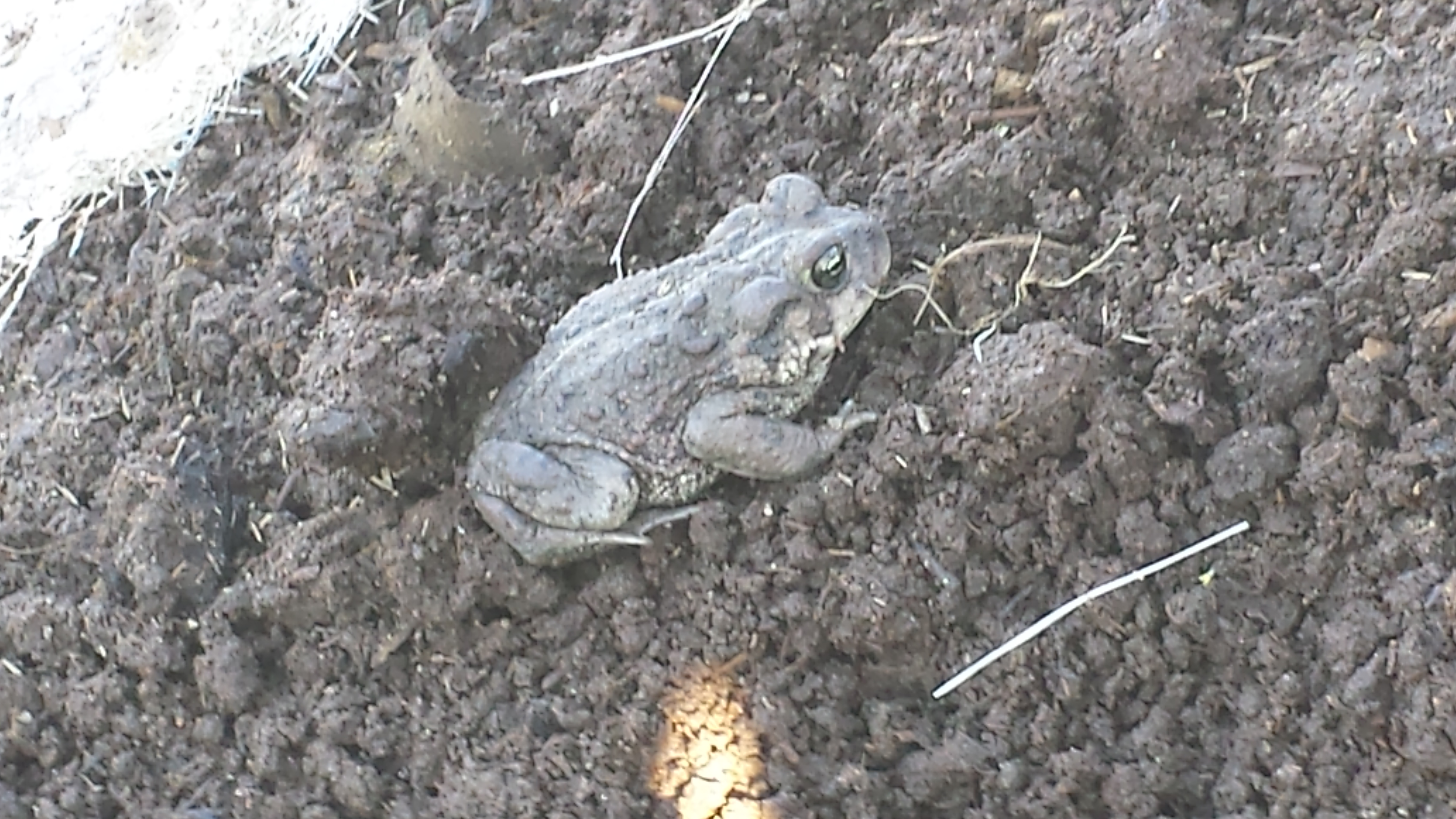
More dead frogs

^quote The scientific community is increasingly recognizing the role of chemical pollutants in amphibian decline. Though sadly, regulatory agencies do not: pesticides are not even required to be tested on amphibians before the pesticide is approved. Brühl commented to The Guardian that “We could only find one study for one pesticide that was using an exposure likely to occur on farmland.” This study, then, fills a research void in understanding the impacts of pesticides to amphibians. The study tested an array of seven insecticides, fungicides, and herbicides on the juvenile European Common Frog (Rana temporaria) at three different doses, the recommended dose, a tenth the dose, and ten times the recommended dose. One of the most striking results was for pyraclostrobin, a fungicide manufactured by BASF and sold as the product “Headline”: The product killed all of the frog within an hour when applied at label recommended rates. Others demonstrated acute toxicity even when researchers applied a tenth of the dose recommended on the label. For example, dimethoate, a toxic insecticide used on everything from asparagus and cherries, to tangerines and wheat, killed 40% of all frogs within a week of application. ^end quote from http://www.beyondpesticides.org/dailynewsblog/?p=9269 And of course these toxins have virtually no effect on us. Hmmmmmm “wheat” I wonder what wheat plants metabolize these toxins into. They’re not even fully testing the actual toxins let alone putting the time, effort, and money into investigating what the toxins break down into. And of course they are then testing those unknown breakdown products on people, pets, and frogs.

Spread the Good News Below: Permaculture!
Posted in Uncategorized | Leave a comment

Well it is a start.

For Immediate Release, November 4, 2013 Contact: Justin Augustine, (415) Settlement Will Safeguard Endangered California Frog From Harmful Pesticides SAN FRANCISCO— A federal district court approved a settlement today requiring the U.S. Fish and Wildlife Service to better protect California red-legged frogs from seven common pesticides known to be highly toxic to amphibians. The settlement gives the agency two years to prepare “biological opinions” under the Endangered Species Act to analyze pesticide use in and near the frog’s aquatic and upland habitats. ^end quote Well like I said, it’s a start. But good for whoever brought the suit. Funny the story doesn’t say.

Spread the Good News Below: Permaculture!
Posted in Uncategorized | Leave a comment

Earthworms vermiculture

I was thinking about talking a little bit about worms in my Microbiology talk at the upcoming San Diego Permaculture Convergence. Unfortunately I have had to withdraw from the Planning Committee and subsequent Speaker positions. So I think that I will present a little of what I had been planning to talk about here.

How many people give their earthworms sand?

Sand you say, wouldn’t that scratch their little soft mucusy bodies?

Yes, sand. Earthworms have gizzards to grind up their food instead of teeth. Just like a chicken only much smaller. Hence the microbiology connection. So instead of pebble sized pieces of stone like for chickens you need tiny pieces of stone – like sand. You don’t need much, but their gizzard-sand teeth, wear down and it needs to be replaced regularly. My guess is somewhere on the order of a pinch of fine quartz sand per pound of worms -every month? Sort of depends on what you’re feeding them as well but this is a good ballpark number. If anyone actually has data email me. If the sand is not quartz it will probably wear down faster and need to be replaced more often. Enjoy your verma-composting.

Spread the Good News Below: Permaculture!
Posted in Uncategorized | Leave a comment

My little monster

Heeeee heeeee

Spread the Good News Below: Permaculture!
Posted in Uncategorized | Leave a comment

Bushtits again

They keep making regular passes now. I don’t know whether I am just noticing them more because of last week’s experience or whether they’re around more. Or whether they’re making a special effort to get by the Asian pear. Regardless the aphids are pretty much gone.

Spread the Good News Below: Permaculture!
Posted in Uncategorized | Leave a comment

Racoons

Okay this post is actually about people. I saw the following a news article. There is enough here for you to google and find the original article.

October 07, 2013 According to a news release from the RIKEN Brain Science Institute, early hominids evolved finger dexterity and tool use ability before the evolution of bipedal locomotion. RIKEN researchers contend that their findings identify a solution to a long-lasting puzzle in human evolution.

The point being that a lot of smart people believe that our human hand dexterity relates more to the reason that a raccoon also has an opposable thumb than the reason that monkeys do. The idea is that we evolved for a significant period of time around/in a shallow body of water and searched for food in murky areas like a raccoon. The opposable thumb is more from a need to grab quickly than to grab a just a branch.

Best

Spread the Good News Below: Permaculture!
Posted in Uncategorized | Leave a comment

Hawk vs squirrel

The squirrel won by just a hair. One of my clients in Los Angeles has a hawk that hangs around. I have even see it taking a bath in the fish pond fountain. There is also this squirrel that eats their avocados. The hawk today was sitting in a tree and the squirrel was running across the ground and the hawk dived and just missed it.

Spread the Good News Below: Permaculture!
Posted in Uncategorized | Leave a comment

State of Schools 2013 – Glendale Unified School District – YouTube

This is why I go hiking in the Santa Monica Mountains. This is just one representative of the amazing talent and wonderful individuals that I am fortunate to know, care about, and interact with. To get you locked in fast feel free to skip about a tenth of the way forward to the acceptance speech. Then go back and see the whole thing. http://m.youtube.com/watch?v=j1tjZKamwDo Bob 310 429 8477 http://www.PuraVidaAquatic.com
Spread the Good News Below: Permaculture!
Posted in Uncategorized | Leave a comment

Spam

I just lifted some spam stats from the little spam removal program my blog runs. Out of 86 Posts in 1Category I have 8,308 Comments of those15 were actual comments and were Approved. There are now 0 Pending. 8,293 were Spam. -sigh If you don’t run a blog you would be appalled at the kinds of spam I get. I have an automated spam removal program and I don’t believe it has ever mistaken a real post for spam but if some reader out there recognizes that one of their replies is not posted please feel free to email -a human can figure out how :-) and I will fix it. Maybe when we die we get to live in the world we created.

Spread the Good News Below: Permaculture!
Posted in Uncategorized | Leave a comment