Chlorine gas not only in your salt pool but in your bloodstream

    There is a study done where they looked at chlorination by-products DBPs in someone’s bloodstream after swimming in a chlorinated pool. I’ll bet none of the studies looked at chlorine gas production in the bloodstream! :-O

    Some of the stuff I’ve been looking at with respect to Salt Pools has led me to information that sodium hypochlorite (chlorine bleach) (the stuff that’s in our tap water) generates chlorine gas in the presence of dissolved table salt (sodium chloride) the stuff that’s in all our bodies.

    Spread the Good News Below: Permaculture!
Posted in Uncategorized | Leave a comment

Fish can recognize a human face

http://www.theverge.com/2016/6/7/11876662/fish-recognize-human-faces-spit-animal-behavior-study

I have always laughed that I usually have more success with the fish when I am not wearing a ball cap. I think that they recognize the bill as a threat.

I think all animals are a lot smarter than we give them credit for.

Spread the Good News Below: Permaculture!
Posted in Uncategorized | Leave a comment

More salt

I have started wondering about table salt (sodium chloride) because that is what is added to a salt pool.

I have discovered that we taste only the sodium ion

But it’s not the sodium that is important for a salt pool. It is the chloride ion that is involved in the electrochemistry to generate hypochlorous acid (bleach). So when the pool companies say that you can’t taste the salt that might be true, but only at the beginning.

As the chloride ion is converted to hypochlorous acid and ultimately to chlorine gas, the chloride ions are removed from the water and have to be replaced. The way a pool company replaces them is to add more salt which also adds sodium ions. Over time the sodium ions, which have no place to go, will build up and the pool water will start tasting salty.

Spread the Good News Below: Permaculture!
Posted in Uncategorized | Leave a comment

Bumblebees’ Little Hairs Can Sense Flowers’ Electric Fields

Another good reason to love bees. Because they are soooooooo cool :-)

The fields bend the hairs and that generates a nerve signal, scientists say.

Source: Bumblebees’ Little Hairs Can Sense Flowers’ Electric Fields

A while back I had published a post that bees could see an electrical charge on a flower and I hypothesized that they could detect a color change given an electrostatic change in a protein component of the flower but this is even cooler.

Bob

Spread the Good News Below: Permaculture!
Posted in Uncategorized | Leave a comment

Sitting around watching my rain barrels

Doesn’t everyone sit around in their lawn chairs and watch the rain barrels?

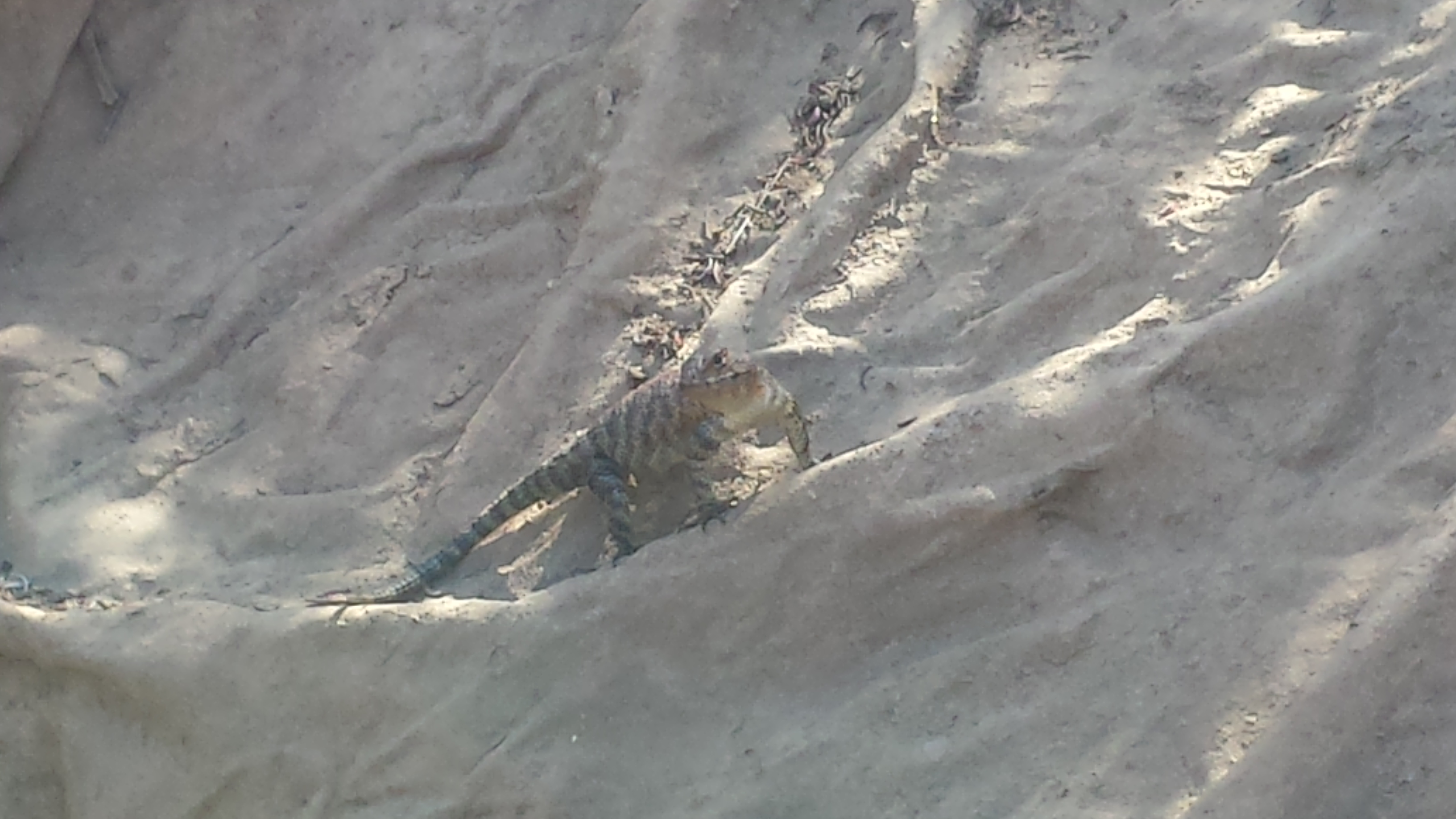
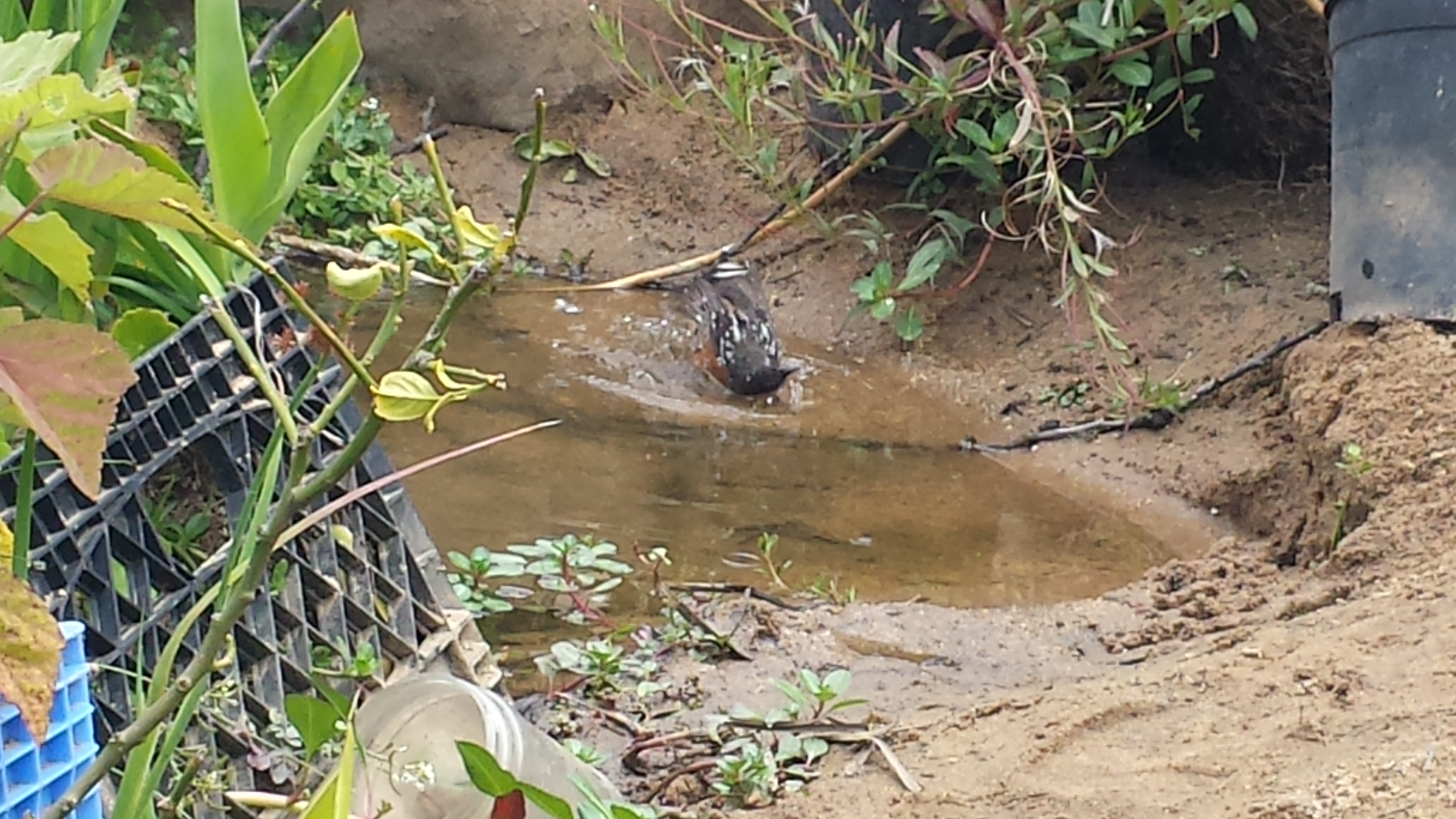
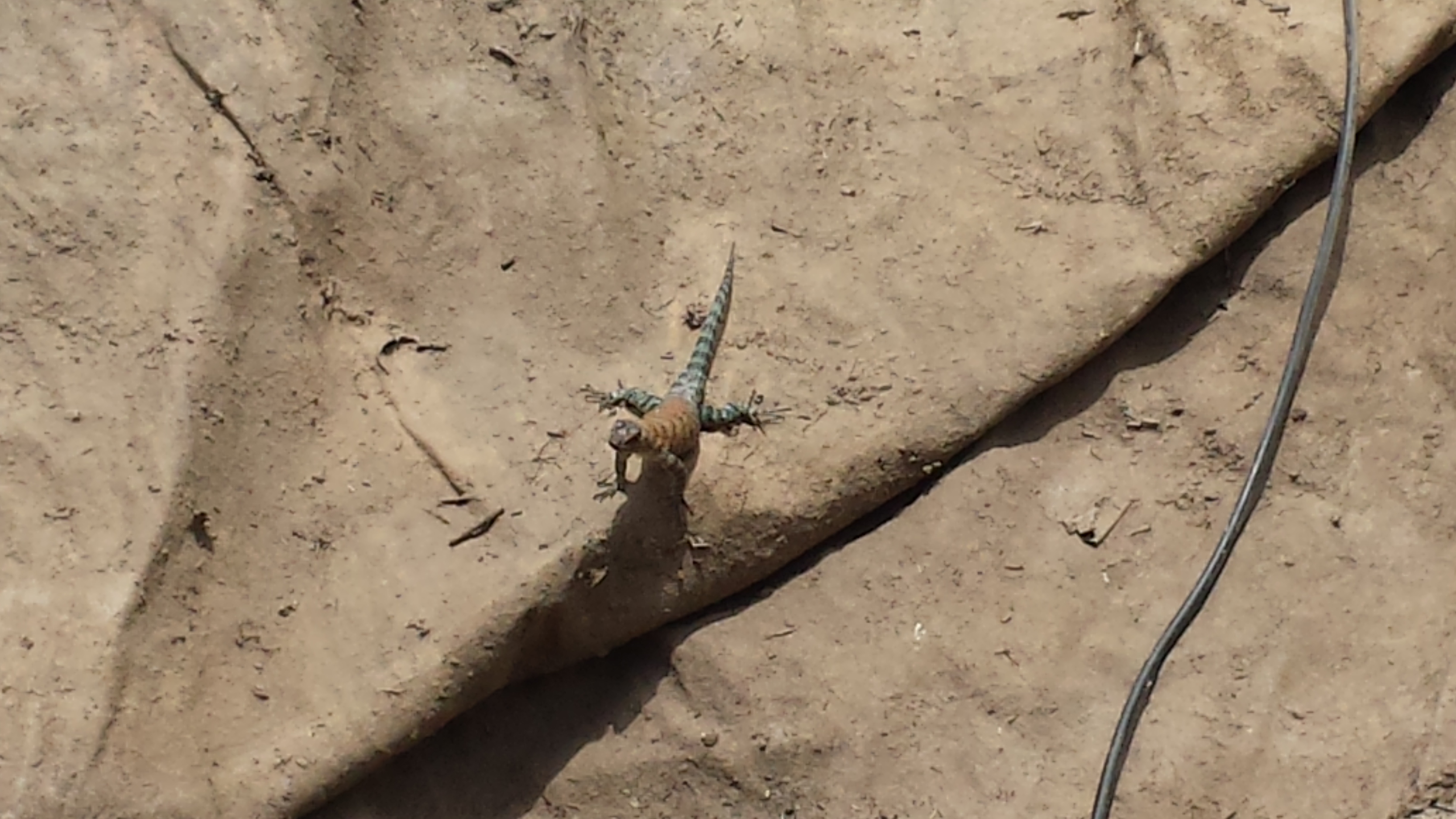
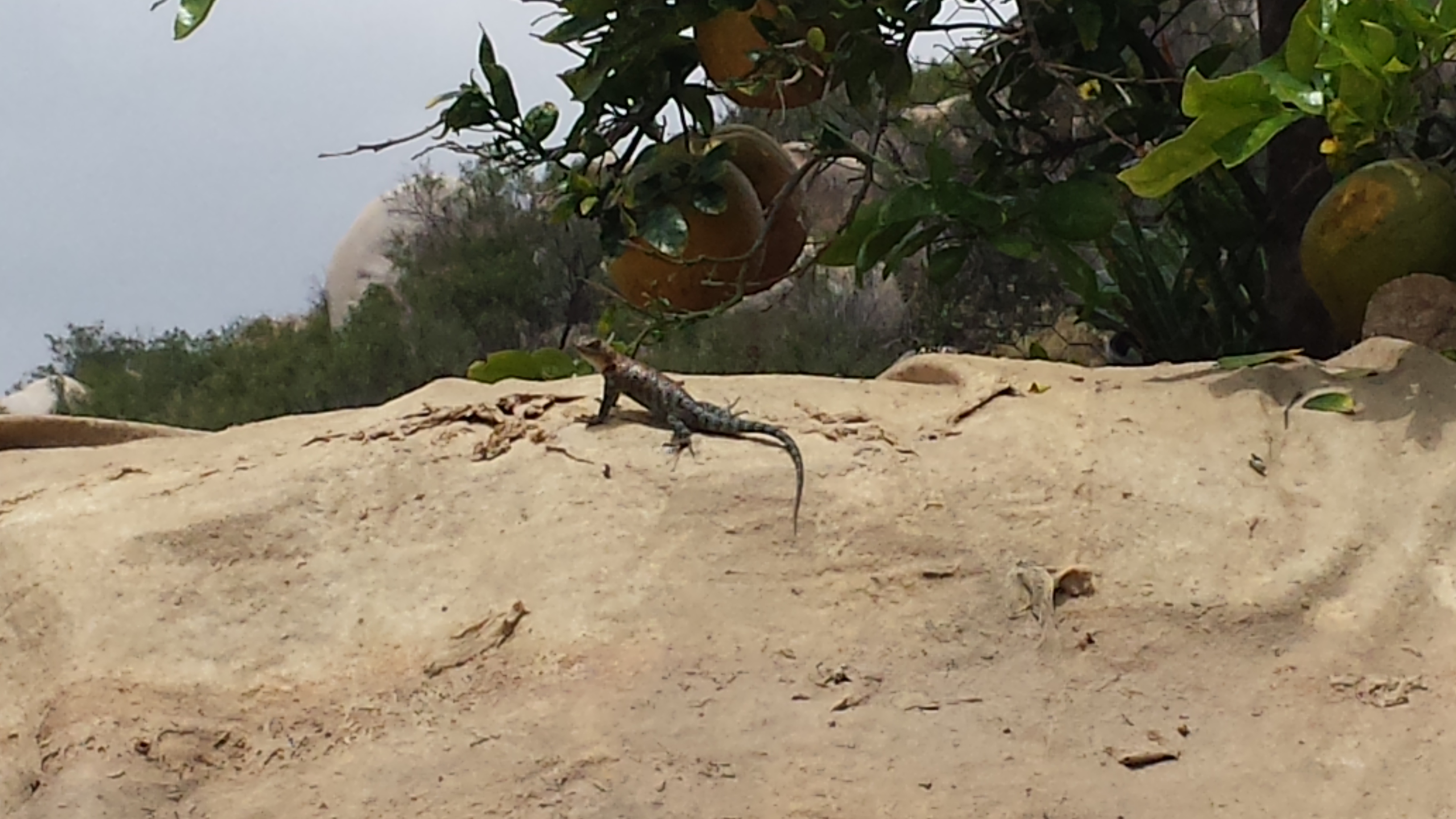
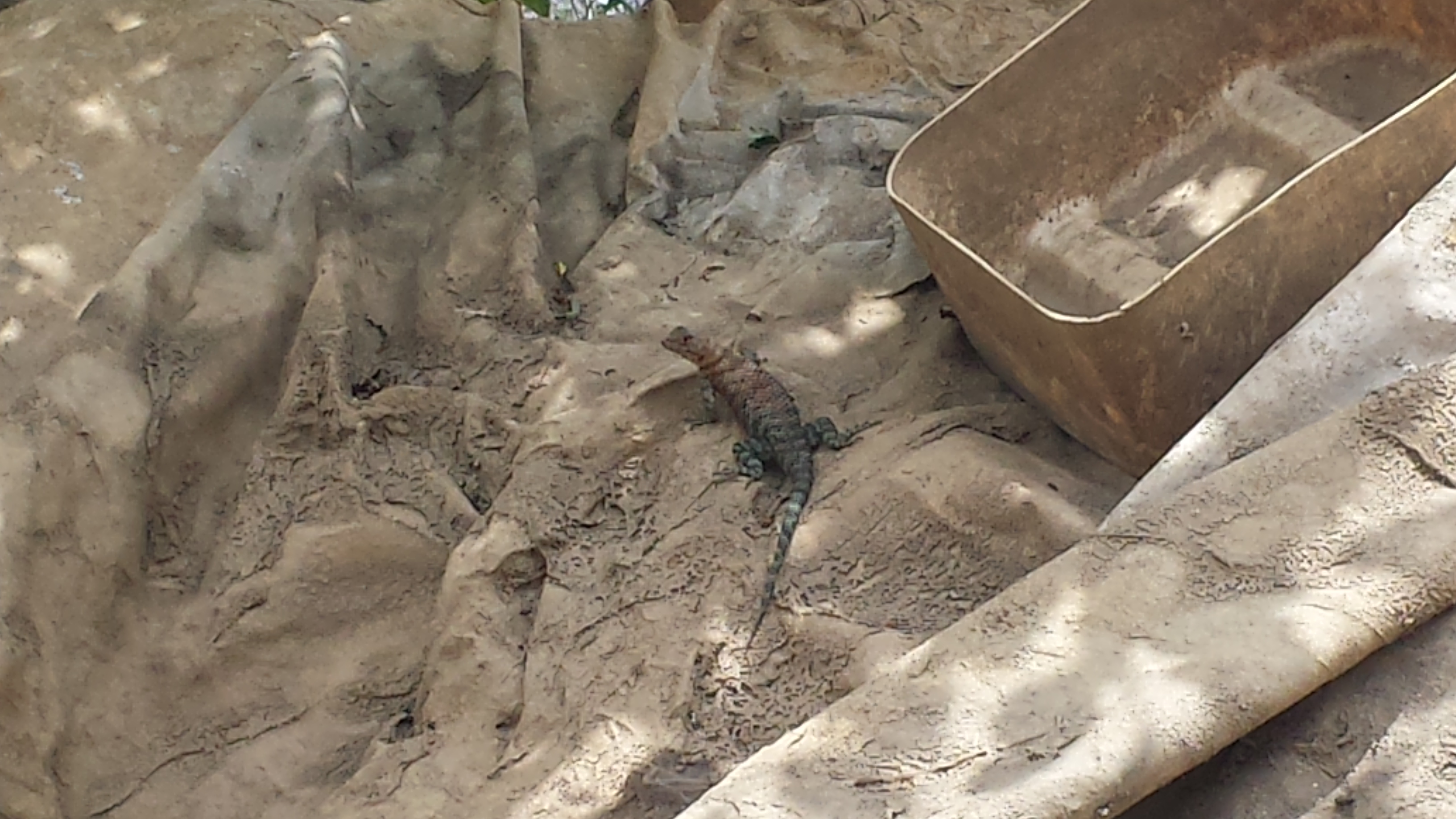
Anyway I was down watching my rainwater collection system (pond0) and the diving beetle larva were crawling out of the water, I assume to pupate. I had seen one yesterday and wasn’t sure what I had seen but today one crawled out and ran across the sand and this big boy ran down caught it, and ate it about three feet from me.
20160601_093517
So I got out my phone and here are a couple of videos while I was watching my “rain barrel”s.


:-)

And then a different lizard got a diving beetle larvae.

:-)

Sure is tough being a mosquito larvae in a natural pond. First you are eaten by a diving beetle larvae and then re-eaten by a lizard.

You know if I was spraying insecticides around, none of this would happen.

Spread the Good News Below: Permaculture!
Posted in Uncategorized | Leave a comment

Hanging out down at the pond

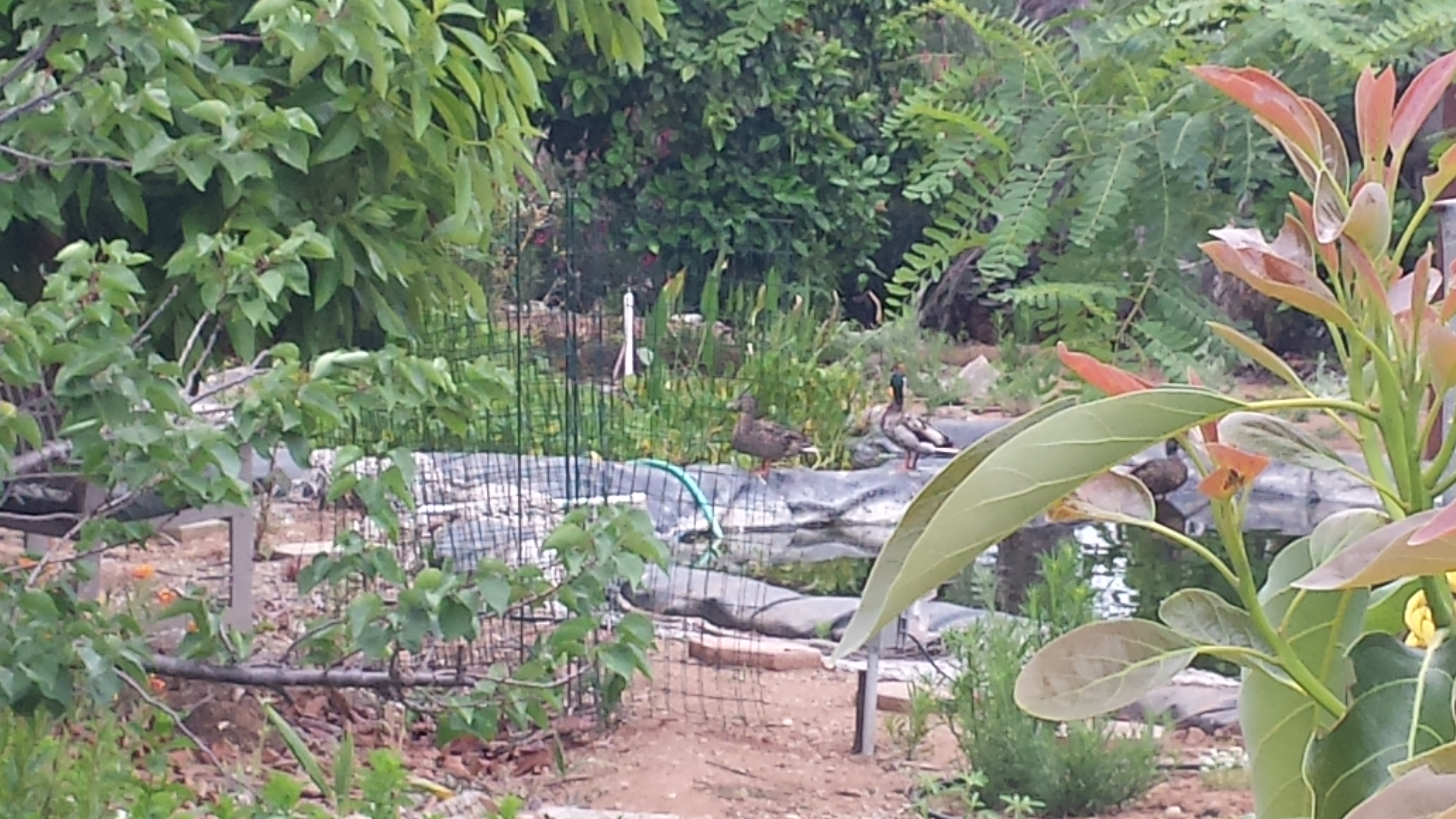
My pond which I have dubbed pond0 so that I can search specifically for posts on it.

20160530_124030

20160530_122131

20160530_122047

20160530_121836

Spread the Good News Below: Permaculture!
Posted in Uncategorized | Leave a comment

Chlorine gas with your salt pool?

I have been searching online trying to get a feel for how much salt is in a salt pool. I know that it’s about 3500 parts per million, but what is that really?

So I run across a couple of pool sites that had me laughing (more so than many of the others). There is so much bad and misleading information.

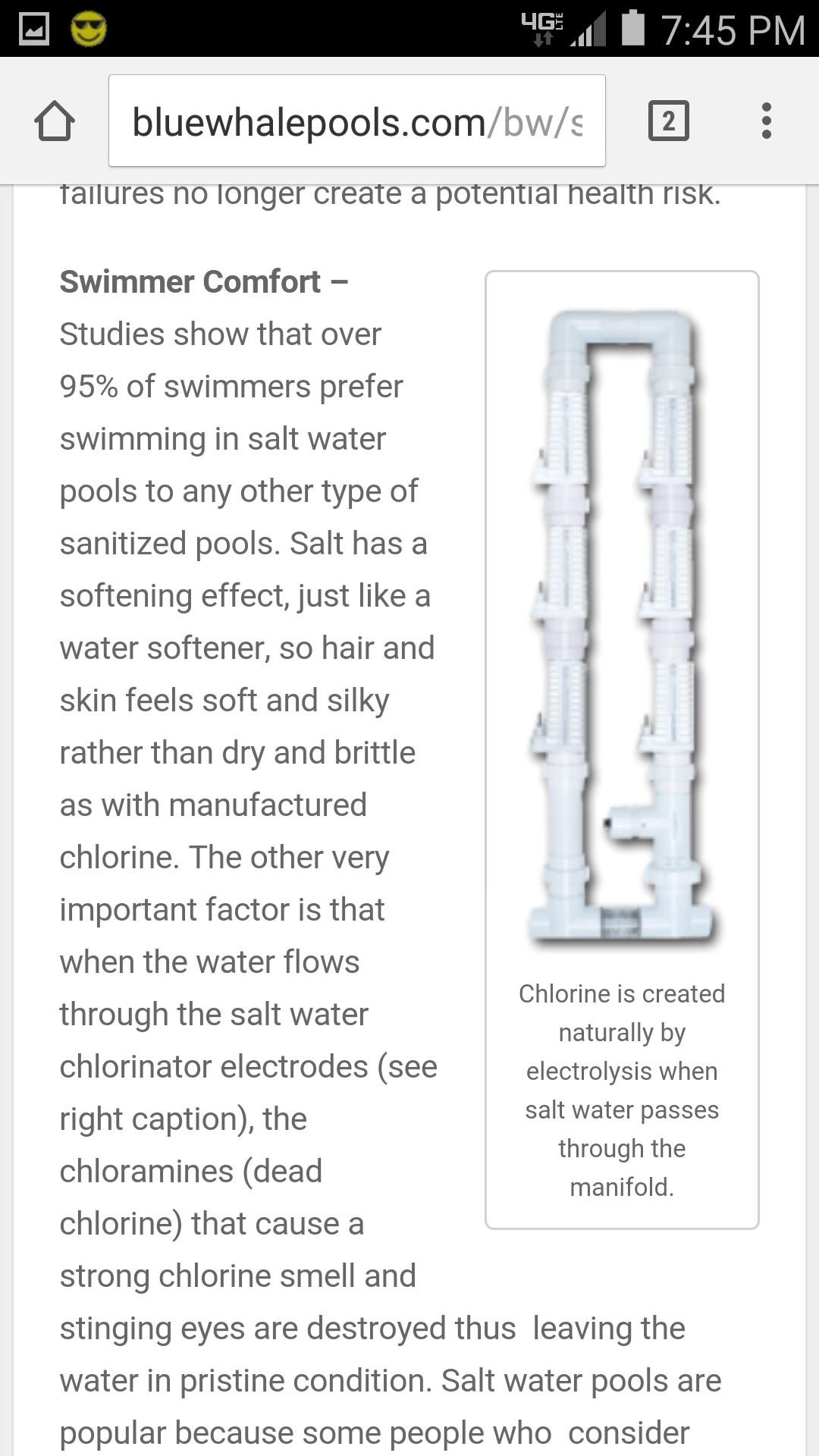
One says: “Chlorine is created naturally by electrolysis”. Look at the insert in the screenshot below.Screenshot_2016-05-29-19-45-51
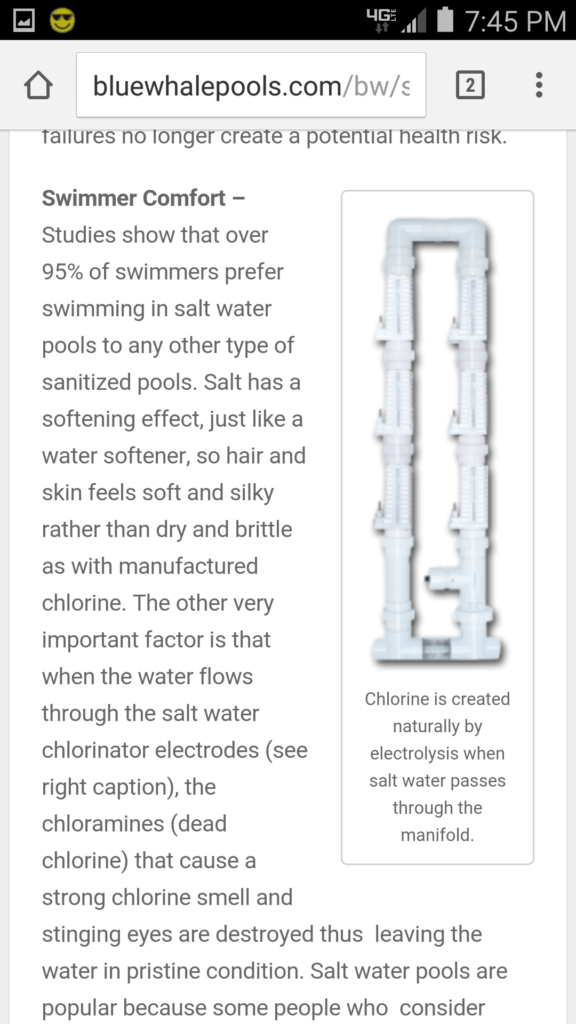

Naturally by electrolysis??? Only if you’ve just been hit by lightning! And if you have just been hit by lightning I don’t really think you care that your hair is silky soft.
Laughing


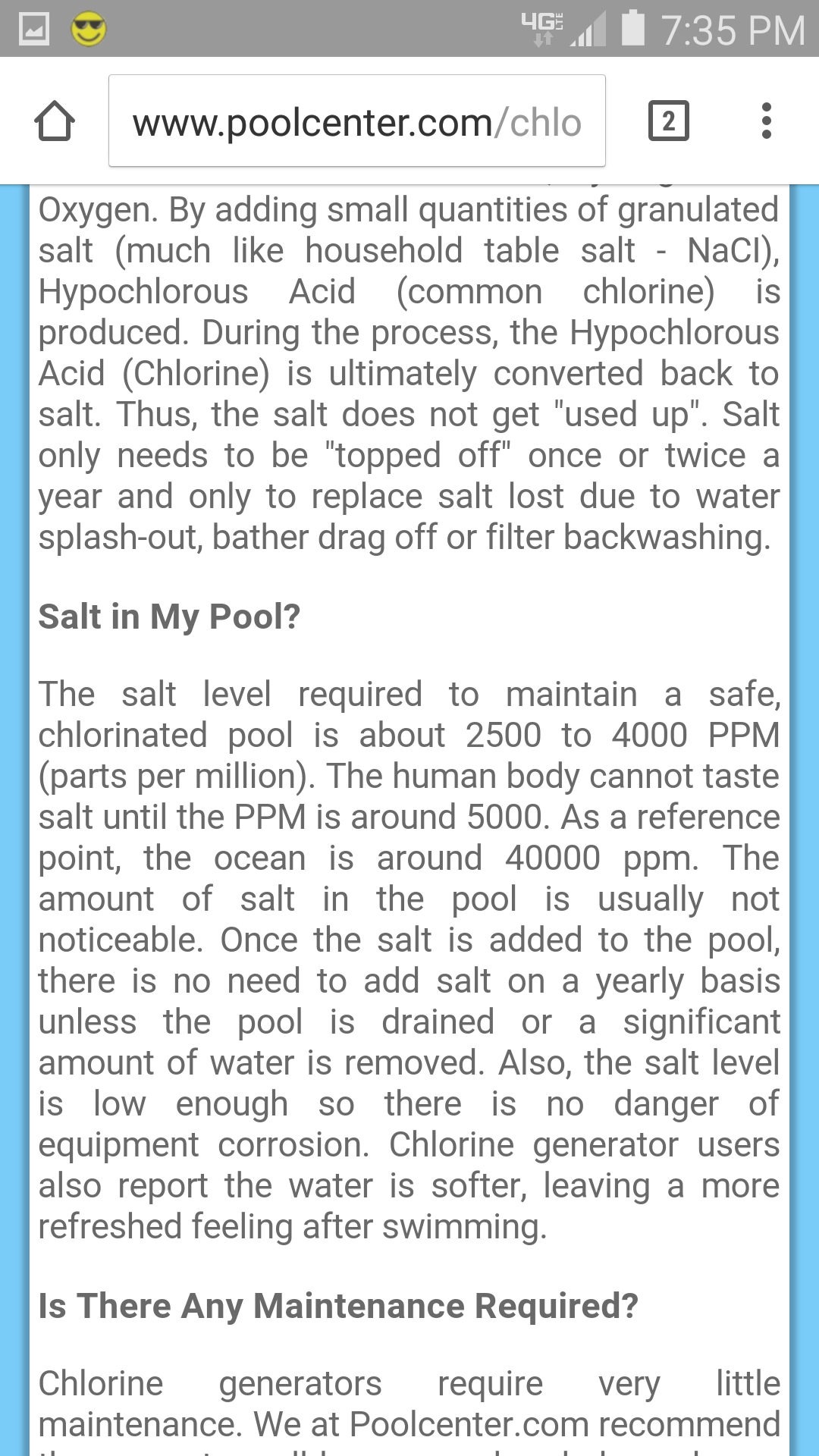
And the information found in this screen shot is just wrong.
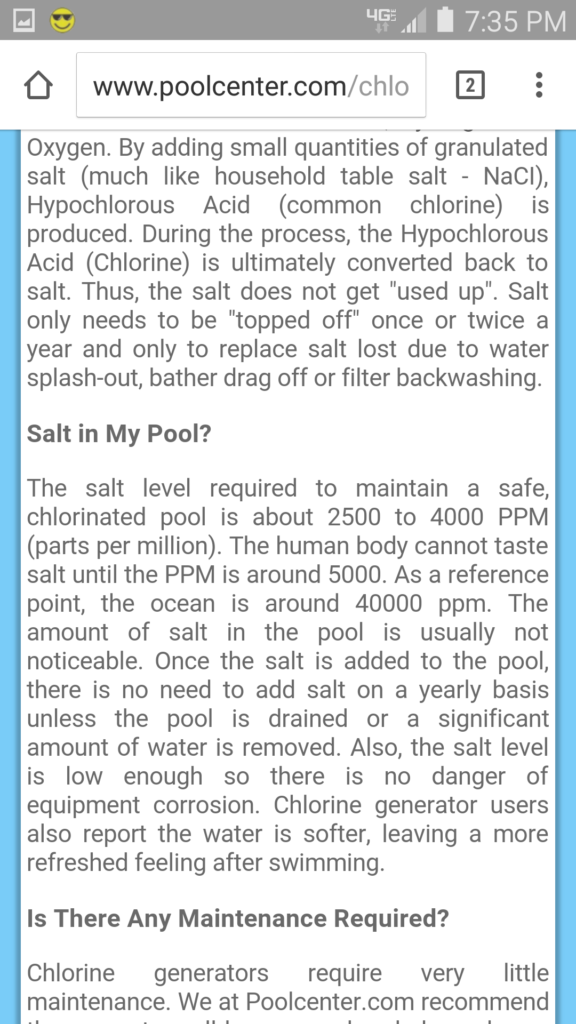
Screenshot_2016-05-29-19-35-21


“hypochlorous acid (chlorine) is converted back to salt”
First of all: hypochlorous acid is not chlorine in either chemistry or name. Secondly: if hypochlorous acid was just converted back to table salt it really wouldn’t poison everything in your pool. Thirdly: chlorine would gas off into the atmosphere.
Going to Wikipedia:Sodium_hypochlorite

NaClO solutions, the following species are thought to be present when the system is in equilibrium.[30] [snip] The free chlorine is thought to be modulated by pH and NaCl as indicated by mercury-chlorine byproducts.

HOCl ↔ H+ + OCl−
HOCl + Cl− + H+ ↔ Cl2 + H2O
The ratio of Cl2 : HOCl : OCl− is pH dependent.[31] The above equations show that the “byproduct” Cl− ions (from the NaCl) play a rarely mentioned role, without them there would be no available chlorine in the solution.

The last sentence is critical.

Cl− ions (from the NaCl) play a rarely mentioned role

The salt in the pool contributes to the generation of chlorine gas from hypochlorite.

Yikes!!!! This would explain the fact that galvanized pool fittings corrode badly in a salt pool. A lot of pool companies websites say that there is not enough salt to affect metal. But turn around and admit that corrosion of metal fittings around the pool is a common problem with a salt pool.

I would bet that it’s not the salt concentration it’s the chlorine gas being generated. Chlorine gas is incredibly corrosive. And if your metal components are corroding, so are you. And what is it doing to the plants surrounding your pool? Or the paint on your house? Or your dog? Cat? Kids?

So back to my original question: how much salt is in a salt pool?

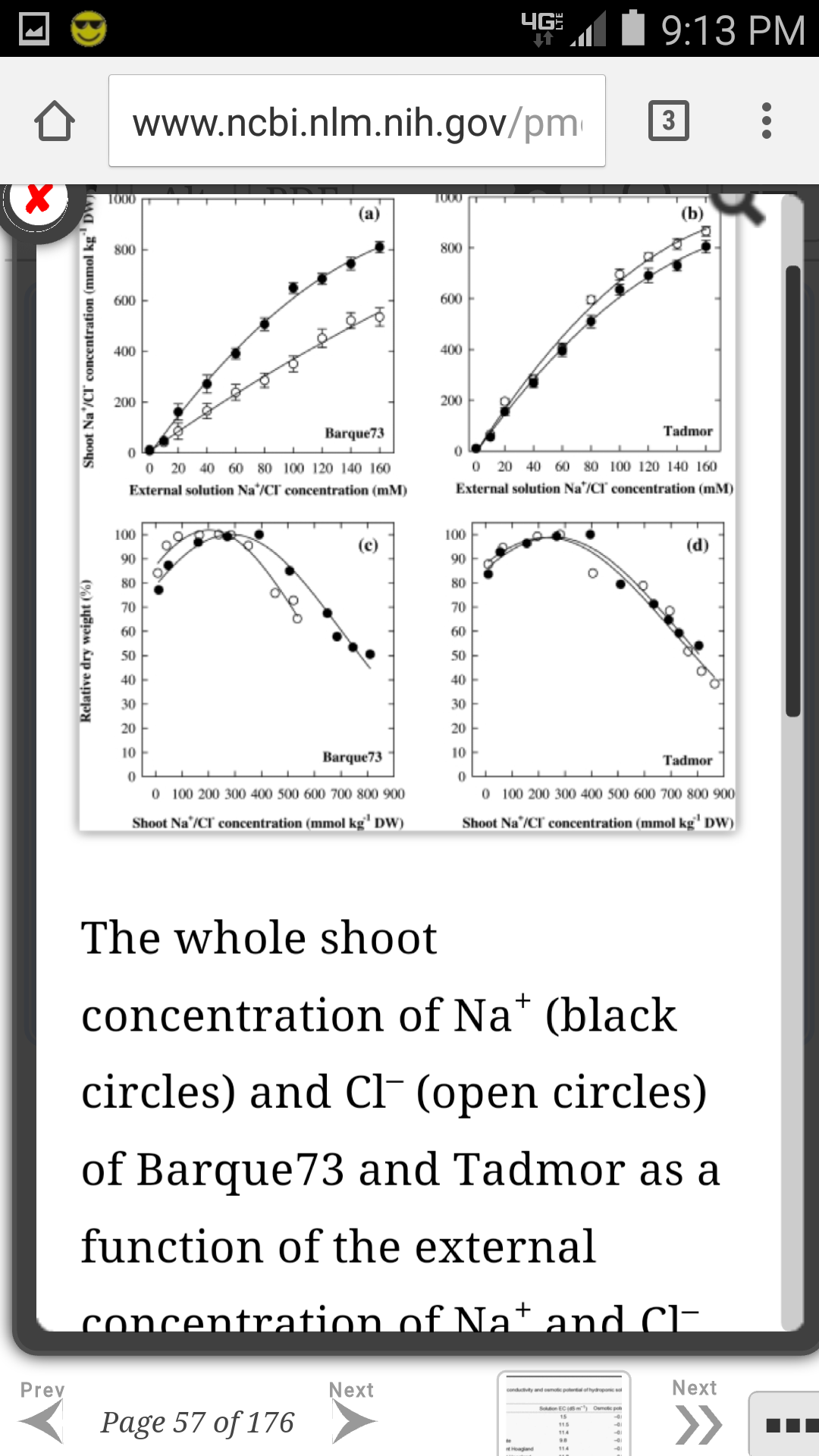
Well it’s about 60 millimolar. And I finally found a graph showing the effect of increasing salt concentration on plants. They did a pretty good job with trying to take into account the chloride and sodium contributions of the various media components so I think this is a pretty good study. Screenshot_2016-05-29-21-13-24
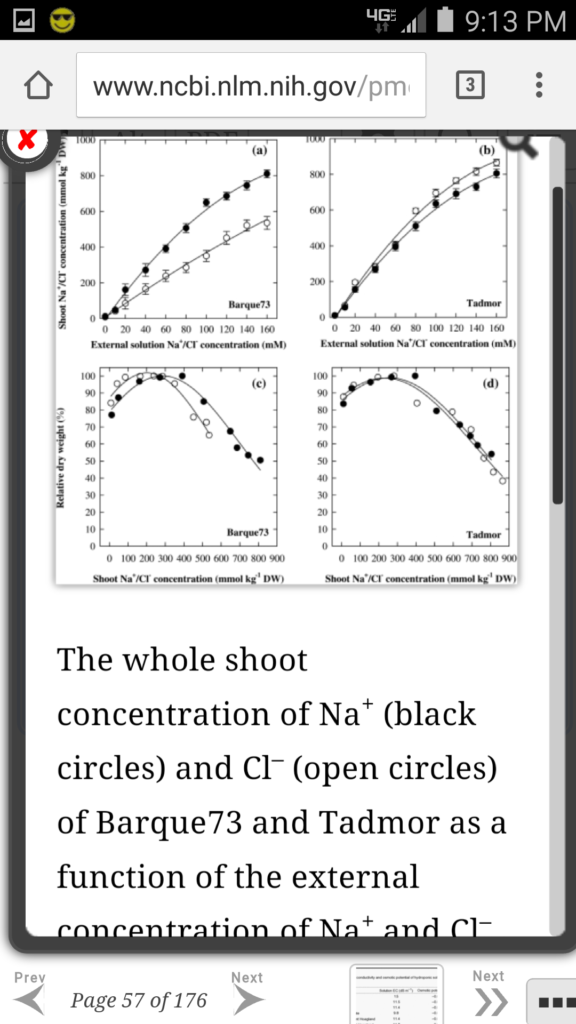
The point is that for the crop plants tested, it is safe to use 60mM salt (your salt pool water) for irrigation (of course only once the chlorine generator and the chlorine gas has been removed :-) ). And, especially if you are irrigating using rainwater in addition to the water from your salt pool. Or, better yet, also using your pool to collect rainwater.

Bob

Spread the Good News Below: Permaculture!
Posted in Uncategorized | Leave a comment

Metal object thrown over White House fence

Tests of object gave “negative results,” according to the Secret Service.

Source: Metal object thrown over White House fence

“A metal object” my foot. And the Article is filed under Public Safety. Anyone want to bet me whether it was someone “returning” their Purple Heart on Memorial Day.

Spread the Good News Below: Permaculture!
Posted in Uncategorized | Leave a comment

Native Plants

If you search for California native plants online virtually all you get is xeriscape landscaping plants.

We have destroyed ninety-nine percent of California’s fresh water marsh ecology and you can’t even buy the plants that used to grow there. But I have several new ones such as California Buckeye given to me by a hike leader on a Sierra Club wildflower hike
20160529_122417
and Arrowhead (two different species)
20160529_122216
and seep monkey flower shown to me by a friend on another hike.
20160529_122314

Spread the Good News Below: Permaculture!
Posted in Uncategorized | Leave a comment

Go away

This is my hole.

20160526_074129
It is about the size of a golf ball. I love the expression on its face.

Bob

www.PuraVidaAquatic.com

Spread the Good News Below: Permaculture!
Posted in Uncategorized | Leave a comment